The African Continental Free Trade Area undoubtedly has the potential to provide several industries with opportunities to capitalize on the liberalised trading environment that will be fostered in the next few years. A new report from CFC Africa Insights details one such industry that stands to gain from improved access to African market’s: Morocco’s automotive industry.
Morocco’s automotive industry is the largest in the African continent, providing over 200,000 jobs to Moroccans and having a production capacity of about 700,000 automobiles per year. In addition, the industry makes up a significant amount of Morocco’s exports, accounting for over 25% of Morocco’s total exports in 2019. Nevertheless, the industry is poised to experience a boost due to freer trade.
A North Africa Post article details the report’s findings, which shows that Moroccan automotive manufacturers are in a strong position to reap benefits from the creation of value chains that spread across the continent. By providing the automotive industry with cheaper inputs, and greater export markets for finished goods, things are looking bright for this North African country.
However, the benefits are not restricted to Morocco alone. Other countries in the region that supply raw and intermediate goods to the Moroccan automotive industry also stand to benefit, as they should find it much easier to sell to the Moroccan market under the AfCFTA compared to the pre-AfCFTA period.
While this is just one example of how African producers stand to benefit from increased trade liberalisation, as trade barriers fall, goods will become much more easily accessible for individual consumers and African businesses alike.
Alexander Jelloian
Alexander Jelloian is the Research and Project Manager at the Initiative for African Trade and Prosperity.

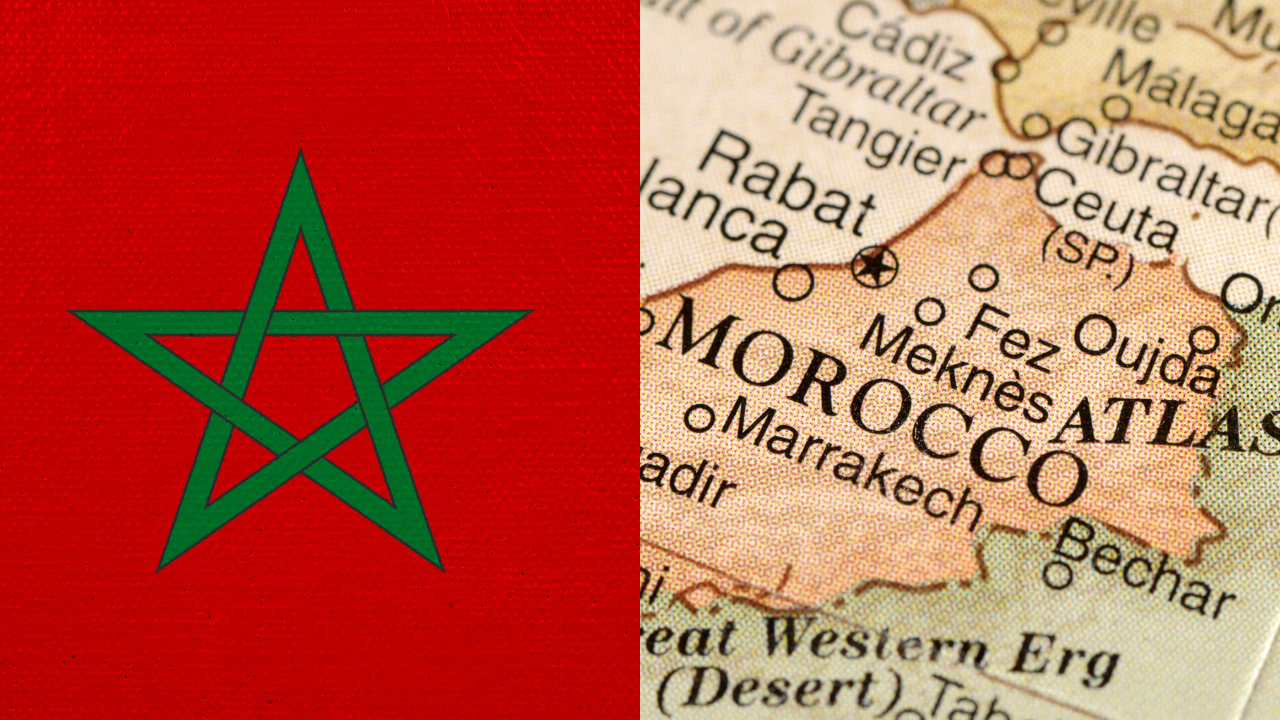
The African Continental Free Trade Area undoubtedly has the potential to provide several industries with opportunities to capitalize on the liberalised trading environment that will be fostered in the next few years. A new report from CFC Africa Insights details one such industry that stands to gain from improved access to African market’s: Morocco’s automotive industry.
Morocco’s automotive industry is the largest in the African continent, providing over 200,000 jobs to Moroccans and having a production capacity of about 700,000 automobiles per year. In addition, the industry makes up a significant amount of Morocco’s exports, accounting for over 25% of Morocco’s total exports in 2019. Nevertheless, the industry is poised to experience a boost due to freer trade.
A North Africa Post article details the report’s findings, which shows that Moroccan automotive manufacturers are in a strong position to reap benefits from the creation of value chains that spread across the continent. By providing the automotive industry with cheaper inputs, and greater export markets for finished goods, things are looking bright for this North African country.
However, the benefits are not restricted to Morocco alone. Other countries in the region that supply raw and intermediate goods to the Moroccan automotive industry also stand to benefit, as they should find it much easier to sell to the Moroccan market under the AfCFTA compared to the pre-AfCFTA period.
While this is just one example of how African producers stand to benefit from increased trade liberalisation, as trade barriers fall, goods will become much more easily accessible for individual consumers and African businesses alike.
Alexander Jelloian
Alexander Jelloian is the Research and Project Manager at the Initiative for African Trade and Prosperity.