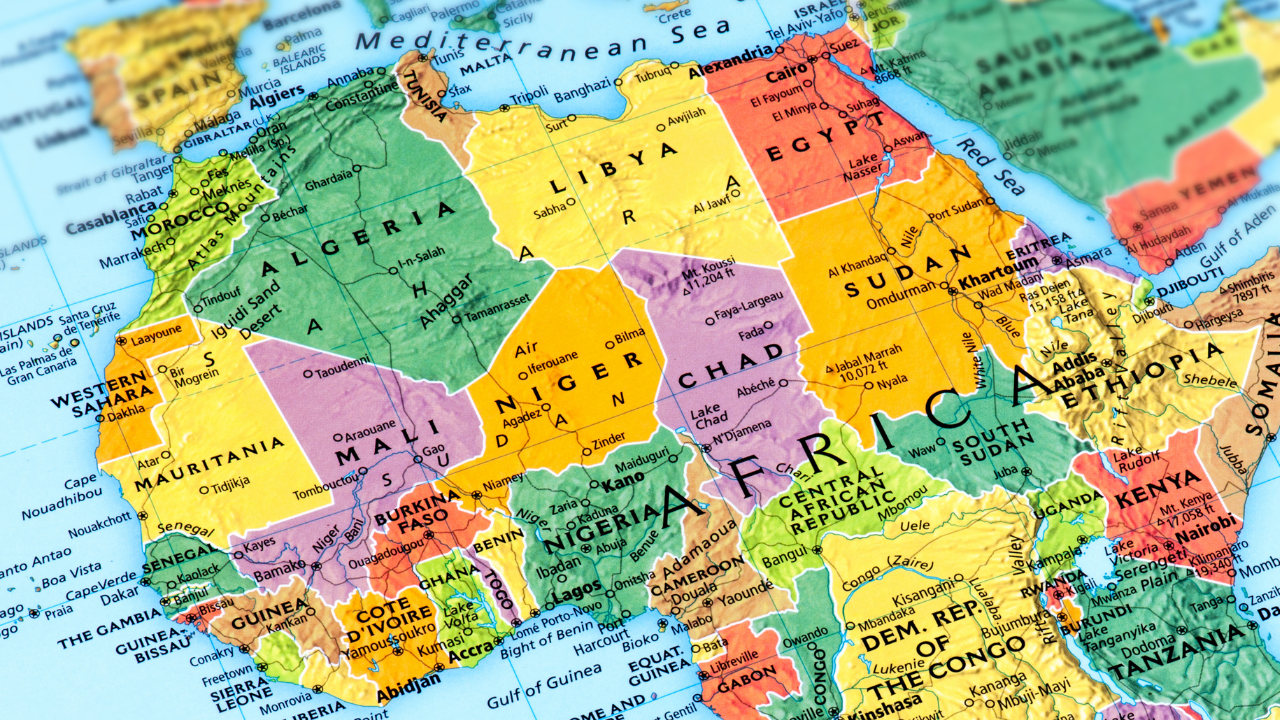
The Economic Community of West African States (ECOWAS) is technically composed of 15 member states in the West Africa region. However, things may be getting a bit more complicated. Ideally, ECOWAS is supposed to be a beacon of prosperity that is partly the result of successful regional integration strategies. Currently, that is not the reality.
Instead, three countries that have recently experienced coup d’etats have stated that they intend to leave the economic bloc. Mali, Niger, and Burkina Faso announced in a joint statement that they would seek to leave ECOWAS due to what they argued was incompetency on behalf of ECOWAS to fulfill what the organisation was founded upon.
Developments such as this have led ECOWAS president Dr. Alieu Touray to make comments in which he lamented the political conditions that are currently stifling attempts at greater trade and economic integration for the subregion. The low trade volume of member states, which currently stands at around 12 percent, is far lower than it should be. Touray noted that developed regions are often integrated to the point where trade volumes are around the 60 percent mark, far ahead of what ECOWAS is currently experiencing.
These recent developments are worrying for the region as a whole. ECOWAS has been an important political authority in the region, helping states solve domestic issues related to politics, economics, and security. Nevertheless, a string of coups and regional instability due to increased terrorist activity has caused many to worry about what will happen to the residents of these countries who often have to deal with violence that robs people of their lives and well being, and also what this means for the economic prospects of many of these countries.
Unfortunately, developments such as this are far too common on the African continent. The list of regional agreements that end up not bringing about the structural transformation of African economies is far too long. What is needed is greater integration and collaboration between African states and when such fractionalization occurs, average Africans suffer as a result.
Thankfully though, there does seem to be some movement on this critical issue. The African Continental Free Trade Area (AfCFTA) is an important step forward in making a difference on the continent. For decades, trade barriers have stifled the flow of goods and services across borders, making it incredibly difficult for African producers to prosper. Under this agreement, things should begin to change as countries implement the necessary steps towards trade liberalisation that they have agreed to. Nevertheless, developments like the one that ECOWAS is experiencing are worrisome as they show that there are many threats to the region’s stability that can and will impact the trade area’s effectiveness.
Alexander Jelloian
Alexander Jelloian is the Research and Project Manager at the Initiative for African Trade and Prosperity.

The Economic Community of West African States (ECOWAS) is technically composed of 15 member states in the West Africa region. However, things may be getting a bit more complicated. Ideally, ECOWAS is supposed to be a beacon of prosperity that is partly the result of successful regional integration strategies. Currently, that is not the reality.
Instead, three countries that have recently experienced coup d’etats have stated that they intend to leave the economic bloc. Mali, Niger, and Burkina Faso announced in a joint statement that they would seek to leave ECOWAS due to what they argued was incompetency on behalf of ECOWAS to fulfill what the organisation was founded upon.
Developments such as this have led ECOWAS president Dr. Alieu Touray to make comments in which he lamented the political conditions that are currently stifling attempts at greater trade and economic integration for the subregion. The low trade volume of member states, which currently stands at around 12 percent, is far lower than it should be. Touray noted that developed regions are often integrated to the point where trade volumes are around the 60 percent mark, far ahead of what ECOWAS is currently experiencing.
These recent developments are worrying for the region as a whole. ECOWAS has been an important political authority in the region, helping states solve domestic issues related to politics, economics, and security. Nevertheless, a string of coups and regional instability due to increased terrorist activity has caused many to worry about what will happen to the residents of these countries who often have to deal with violence that robs people of their lives and well being, and also what this means for the economic prospects of many of these countries.
Unfortunately, developments such as this are far too common on the African continent. The list of regional agreements that end up not bringing about the structural transformation of African economies is far too long. What is needed is greater integration and collaboration between African states and when such fractionalization occurs, average Africans suffer as a result.
Thankfully though, there does seem to be some movement on this critical issue. The African Continental Free Trade Area (AfCFTA) is an important step forward in making a difference on the continent. For decades, trade barriers have stifled the flow of goods and services across borders, making it incredibly difficult for African producers to prosper. Under this agreement, things should begin to change as countries implement the necessary steps towards trade liberalisation that they have agreed to. Nevertheless, developments like the one that ECOWAS is experiencing are worrisome as they show that there are many threats to the region’s stability that can and will impact the trade area’s effectiveness.
Alexander Jelloian
Alexander Jelloian is the Research and Project Manager at the Initiative for African Trade and Prosperity.