Trade in Nigeria is at a defining moment. Our markets are busy, our entrepreneurs are resilient. Yet beneath this activity sits a difficult truth: Nigeria is still not connecting to regional and global markets at the level its economy demands.
In 2025, Nigeria recorded over ?70 trillion (just over $51 billion) in total trade. But crude oil still accounted for more than 80% of export earnings, while non-oil exports remained below 15%. For a country of more than 220 million people and a large base of small businesses, this reveals the central problem that Nigeria produces but struggles to trade beyond raw commodities.
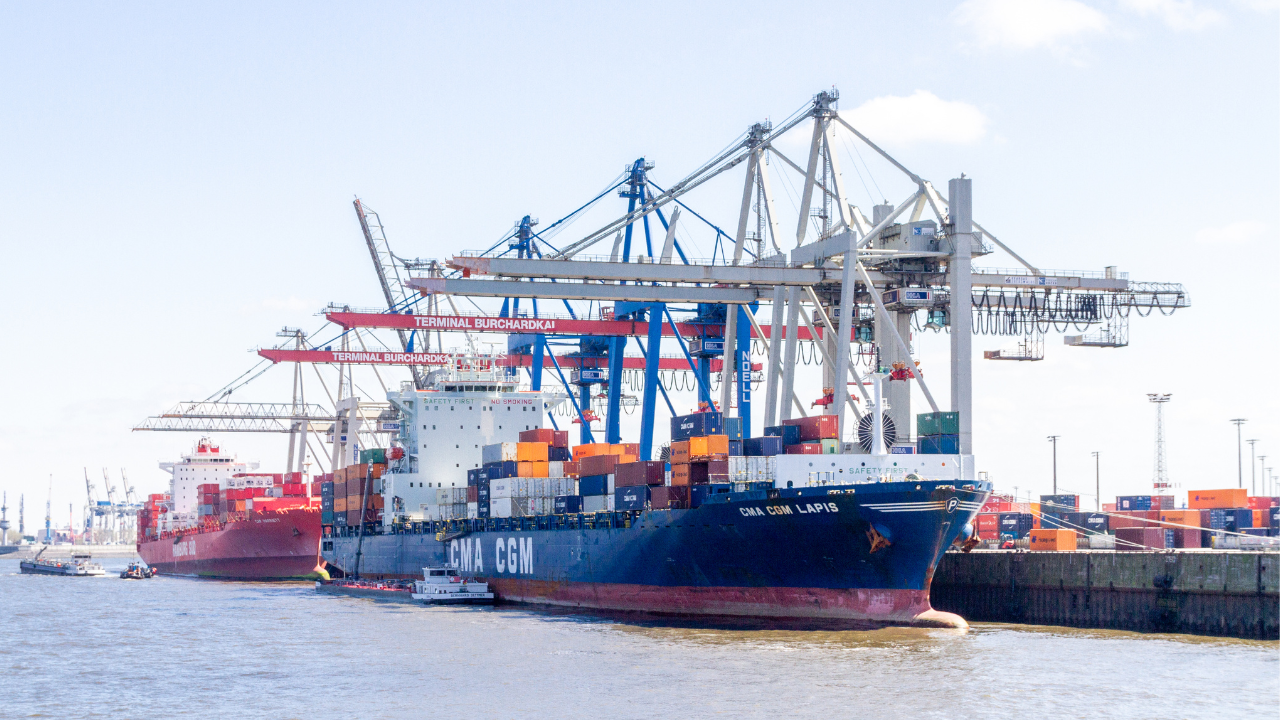
Across Africa, intra-continental trade remains around 15% of total trade compared to over 60% in Europe. Nigeria’s slow uptake of the African Continental Free Trade Area reflects this wider gap. The opportunity is large, but for many entrepreneurs, regional markets still feel out of reach. The pressure is felt most by small and medium-sized businesses. SMEs contribute about 48% of GDP and employ over 80% of the workforce, yet fewer than 5% export across borders. Clearing goods at ports can take weeks. Logistics costs are often two to three times higher than global averages. Each delay cuts profit. Each extra cost weakens competitiveness.
That 5% represents thousands of businesses that produce well but cannot reach beyond their borders. Changing it requires more than policy announcements, it requires the people who shape public thinking to understand trade differently, and the institutions that govern it to be held to account. That is the work Ominira is building toward.
Through our Free Trade Fellowship, young professionals work directly with trade data, turn evidence into clear arguments, and publish in national newspapers. In the last cycle, fellows produced multiple evidence-based articles that reached millions of readers and helped translate complex trade issues into public understanding.
Our Economic Freedom Audit sits at the centre of this shift. The report highlights the weak property rights, limited trade freedom, and institutional gaps that continue to raise the cost of doing business in Nigeria, where the country ranks 113 out of 165 globally, with particularly low scores on trade freedom and legal systems. These findings now guide targeted conversations with policymakers, businesses, civil society leaders, and young professionals.
This work was reflected at the Economic Freedom Summit in Lagos, where Ominira convened over 50 stakeholders across policy, business, academia, media, and civil society to turn research into practical reform priorities. Video series such as The Shift are also helping us engage young professionals on markets, governance, and opportunity.
Our focus remains clear: lower trade costs, better regulation, stronger property rights, and wider market access.
Across our programs, Ominira is moving from ideas to execution by combining research, dialogue, storytelling, and stakeholder engagement to advance reforms that improve trade, strengthen institutions, and expand economic freedom. This work continues with the strong backing of partners like IATP.
The gaps are real. The cost to businesses is daily. But so is the work, and it is only getting more focused.
Bayonle Fesobi is Director of Research at Ominira Initiative for Economic Advancement

Trade in Nigeria is at a defining moment. Our markets are busy, our entrepreneurs are resilient. Yet beneath this activity sits a difficult truth: Nigeria is still not connecting to regional and global markets at the level its economy demands.
In 2025, Nigeria recorded over ?70 trillion (just over $51 billion) in total trade. But crude oil still accounted for more than 80% of export earnings, while non-oil exports remained below 15%. For a country of more than 220 million people and a large base of small businesses, this reveals the central problem that Nigeria produces but struggles to trade beyond raw commodities.
Across Africa, intra-continental trade remains around 15% of total trade compared to over 60% in Europe. Nigeria’s slow uptake of the African Continental Free Trade Area reflects this wider gap. The opportunity is large, but for many entrepreneurs, regional markets still feel out of reach. The pressure is felt most by small and medium-sized businesses. SMEs contribute about 48% of GDP and employ over 80% of the workforce, yet fewer than 5% export across borders. Clearing goods at ports can take weeks. Logistics costs are often two to three times higher than global averages. Each delay cuts profit. Each extra cost weakens competitiveness.
That 5% represents thousands of businesses that produce well but cannot reach beyond their borders. Changing it requires more than policy announcements, it requires the people who shape public thinking to understand trade differently, and the institutions that govern it to be held to account. That is the work Ominira is building toward.
Through our Free Trade Fellowship, young professionals work directly with trade data, turn evidence into clear arguments, and publish in national newspapers. In the last cycle, fellows produced multiple evidence-based articles that reached millions of readers and helped translate complex trade issues into public understanding.
Our Economic Freedom Audit sits at the centre of this shift. The report highlights the weak property rights, limited trade freedom, and institutional gaps that continue to raise the cost of doing business in Nigeria, where the country ranks 113 out of 165 globally, with particularly low scores on trade freedom and legal systems. These findings now guide targeted conversations with policymakers, businesses, civil society leaders, and young professionals.
This work was reflected at the Economic Freedom Summit in Lagos, where Ominira convened over 50 stakeholders across policy, business, academia, media, and civil society to turn research into practical reform priorities. Video series such as The Shift are also helping us engage young professionals on markets, governance, and opportunity.
Our focus remains clear: lower trade costs, better regulation, stronger property rights, and wider market access.
Across our programs, Ominira is moving from ideas to execution by combining research, dialogue, storytelling, and stakeholder engagement to advance reforms that improve trade, strengthen institutions, and expand economic freedom. This work continues with the strong backing of partners like IATP.
The gaps are real. The cost to businesses is daily. But so is the work, and it is only getting more focused.
Bayonle Fesobi is Director of Research at Ominira Initiative for Economic Advancement
Bayonle Fesobi