This November, Madagascar’s National Assembly legislated for the island nation to become the 49th country to ratify the African Continental Free Trade Area (AfCFTA). This is an important step to achieving continent-wide free trade for a region that needs it.
While 54 countries have signed the AfCFTA, signaling support for the continent’s liberal trading future, several countries have been slow in depositing their “instruments of ratification” which has delayed the process of getting goods and services moving across borders under the agreement. With Madagascar now committing to ratification, the continent is one step closer to reaping the massive benefits of free trade.
For Madagascar specifically, there are several ways in which the island-nation’s inhabitants will gain from easier access to the continental market. Currently, only 10 percent of Madagascar’s goods and services are exported to Africa, and the bulk of these are concentrated in states that are part of the Common Market for Eastern and Southern Africa (COMESA), or the Southern African Development Community (SADC). This indicates that Madagascar has negligible total trade with Central, West, and North Africa, showing that these are untapped markets that Madagascar’s producers will now have easier access to under the AfCFTA. As new IATP research on the AfCFTA shows, full implementation of the agreement could boost intra-African trade by over 50%. This is critical for the continent, where only 15% of total exports are to other African nations.
Even more exciting is the fact that Madagascar’s manufacturing sector stands to gain from the AfCFTA. While the nation sends agricultural goods to North America and Europe, over half of the trade it does have with Africa consists of light-manufactured goods like textiles. A new report by ODI Global has noted that they expect Madagascar’s textile sector to get a boost from accessing new markets, an exciting development for a nation that has struggled to develop a manufacturing sector that can compete with the more developed states across the globe.
The report also notes that they estimate the AfCFTA will bring an increase of nearly $18 million in total trade with the continent, creating opportunities for both Madagascar’s private sector and the continent’s private sector to seek out profit opportunities in new markets. As entrepreneurs are able to seek out such opportunities, economies will become more efficient and goods and services will flow into new areas where they are needed.
Finally, such a development could not come soon enough. For decades Madagascar has struggled to enjoy consistent growth and it currently is one of Africa’s poorest nations with a GDP per capita less than half the size of its not-so-distant neighbor Tanzania. But, with the AfCFTA now formally ratified, things may be looking up for the Malagasy people. Where free markets expand, growth follows. Let’s hope they expand rapidly to Madagascar.
Alexander Jelloian
Alexander Jelloian is the Research and Project Manager at the Initiative for African Trade and Prosperity.

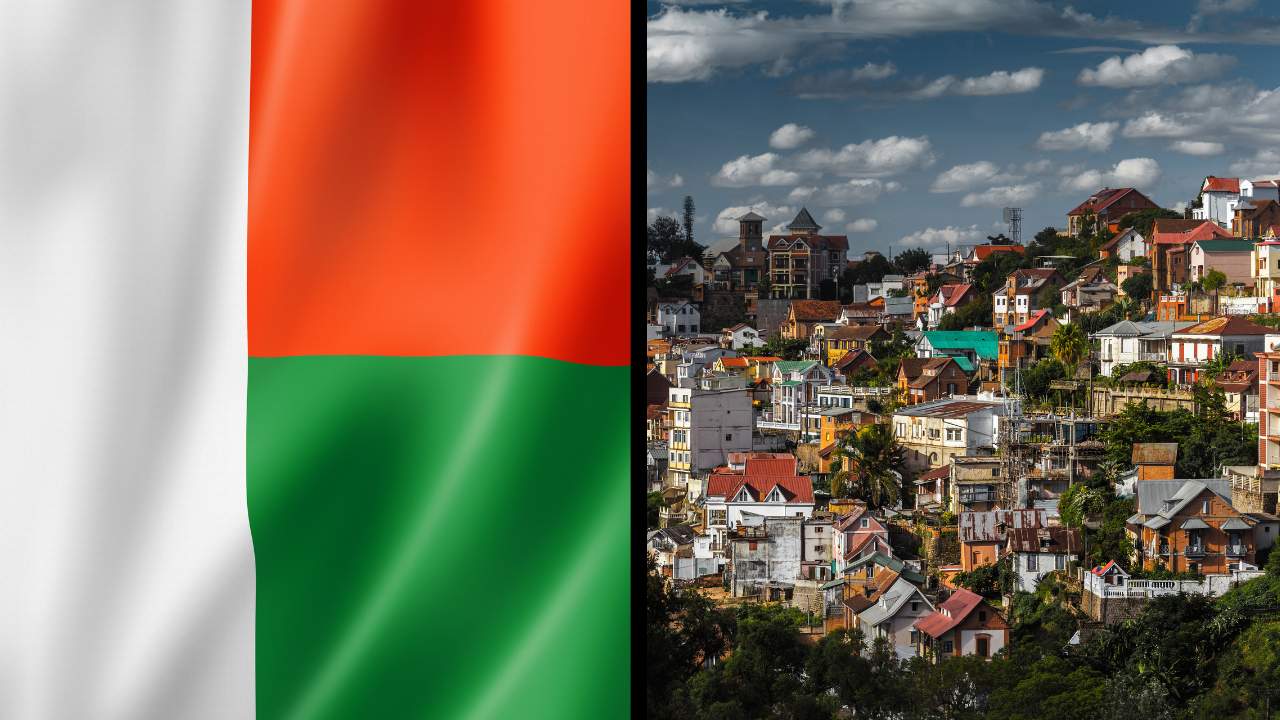
This November, Madagascar’s National Assembly legislated for the island nation to become the 49th country to ratify the African Continental Free Trade Area (AfCFTA). This is an important step to achieving continent-wide free trade for a region that needs it.
While 54 countries have signed the AfCFTA, signaling support for the continent’s liberal trading future, several countries have been slow in depositing their “instruments of ratification” which has delayed the process of getting goods and services moving across borders under the agreement. With Madagascar now committing to ratification, the continent is one step closer to reaping the massive benefits of free trade.
For Madagascar specifically, there are several ways in which the island-nation’s inhabitants will gain from easier access to the continental market. Currently, only 10 percent of Madagascar’s goods and services are exported to Africa, and the bulk of these are concentrated in states that are part of the Common Market for Eastern and Southern Africa (COMESA), or the Southern African Development Community (SADC). This indicates that Madagascar has negligible total trade with Central, West, and North Africa, showing that these are untapped markets that Madagascar’s producers will now have easier access to under the AfCFTA. As new IATP research on the AfCFTA shows, full implementation of the agreement could boost intra-African trade by over 50%. This is critical for the continent, where only 15% of total exports are to other African nations.
Even more exciting is the fact that Madagascar’s manufacturing sector stands to gain from the AfCFTA. While the nation sends agricultural goods to North America and Europe, over half of the trade it does have with Africa consists of light-manufactured goods like textiles. A new report by ODI Global has noted that they expect Madagascar’s textile sector to get a boost from accessing new markets, an exciting development for a nation that has struggled to develop a manufacturing sector that can compete with the more developed states across the globe.
The report also notes that they estimate the AfCFTA will bring an increase of nearly $18 million in total trade with the continent, creating opportunities for both Madagascar’s private sector and the continent’s private sector to seek out profit opportunities in new markets. As entrepreneurs are able to seek out such opportunities, economies will become more efficient and goods and services will flow into new areas where they are needed.
Finally, such a development could not come soon enough. For decades Madagascar has struggled to enjoy consistent growth and it currently is one of Africa’s poorest nations with a GDP per capita less than half the size of its not-so-distant neighbor Tanzania. But, with the AfCFTA now formally ratified, things may be looking up for the Malagasy people. Where free markets expand, growth follows. Let’s hope they expand rapidly to Madagascar.
Alexander Jelloian
Alexander Jelloian is the Research and Project Manager at the Initiative for African Trade and Prosperity.